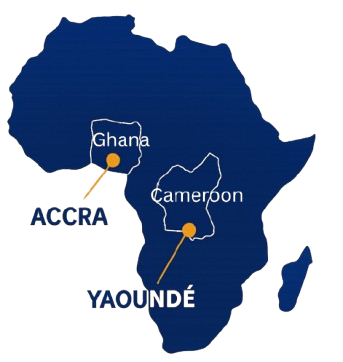
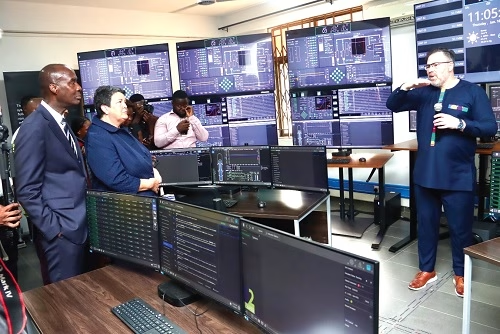
Nuclear power provides continuous, reliable electricity largely independent of weather or fuel supply, making it especially valuable for energy-deficient countries. However, expanding nuclear infrastructure demands robust governance, regulatory oversight, and security measures, with safety and nonproliferation risks central to programs in Egypt, Ghana, Kenya, and Nigeria.
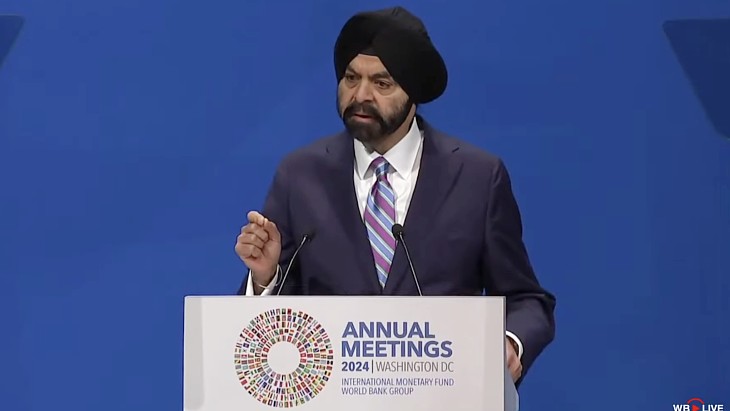
Author: Hubert FOY | Director & Senior Research Scientist | AFRICSIS For a long time, nuclear energy was a nonstarter in World Bank corridors. The 2013 formalization of its ban on nuclear funding, prompted by global anxieties after the Fukushima disaster, had become a fixture of development finance orthodoxy. Countries that might have entertained the […]
The South African government has gazetted its new long-term energy plan, which includes new provisions for smaller nuclear plants. The 100-page 2019 Integrated Resource Plan (IRP) is the state’s official blueprint for future energy generation, including projected electricity demand, cost estimates, and the sources used to generate power. The IRP first came into effect in […]
Speaking to African heads of state and representatives from Russian, African, and international business and government agencies, Rosatom Director-General Alexey Likhachov yesterday emphasized the benefits of nuclear energy in job creation and regional economic development. At the Russia-Africa Summit in Sochi, Russia, Likhachov said global inequality in technological, industrial and socio-economic development was “acutely felt” […]
Sudan, a country of approximately 40 million people, is seeking to increase its installed electricity capacity to support socio-economic development, particularly in the industrial, agricultural and mining sectors. The government has projected that demand for electricity will more than double to around 8500 MWe by 2031.
Africa is hungry for energy, and nuclear power could be part of the answer for an increasing number of countries,” says Mikhail Chudakov, deputy director general and head of the Department of Nuclear Energy at the International Atomic Energy Agency (IAEA), an international organisation that promotes the peaceful use of nuclear technology.
Historically, many emerging economies have turned to nuclear power to meet energy deficits, and there is immense potential for nuclear to provide a clean baseload source of energy to meet Africa’s large energy deficit while also minimizing carbon emissions. Fossil fuel power plants like oil, coal, and gas not only pollute but must have a […]
South Africa, a country beset by frequent power outages, will have to wait a little longer before pressing ahead with a highly contentious and very costly expansion of its aging nuclear power fleet. Exactly how long remains unclear. Last week was supposed to mark a key step forward in plans formulated back in 2010, but […]