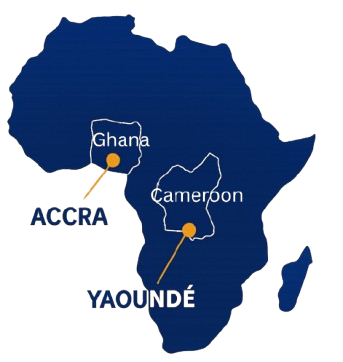

Nuclear power provides continuous, reliable electricity largely independent of weather or fuel supply, making it especially valuable for energy-deficient countries. However, expanding nuclear infrastructure demands robust governance, regulatory oversight, and security measures, with safety and nonproliferation risks central to programs in Egypt, Ghana, Kenya, and Nigeria.
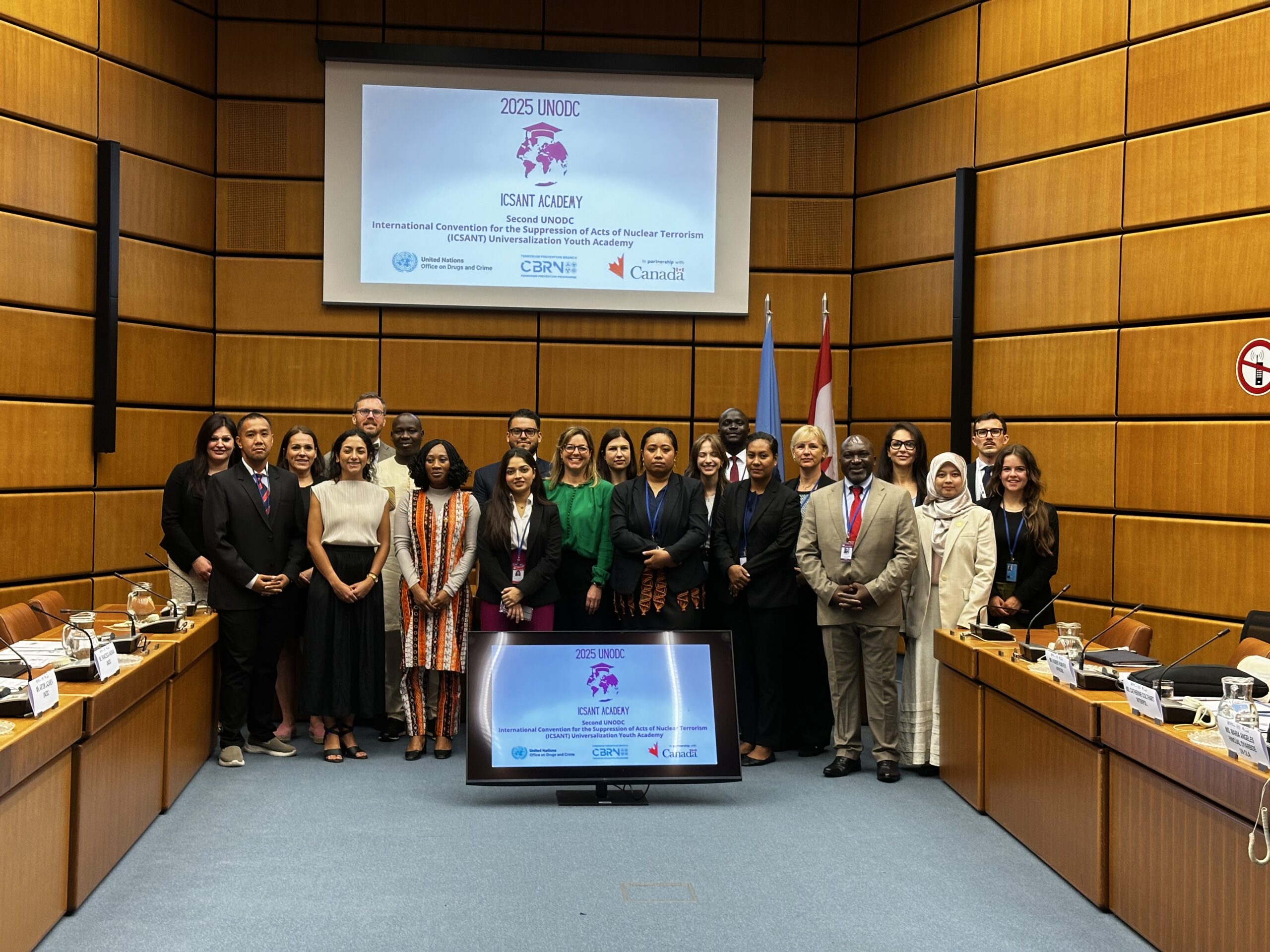
The United Nations continues to emphasize the importance of empowering youth and ensuring their meaningful participation in addressing global challenges. Youth empowerment involves engaging new generations in problem-solving and decision-making processes, including promoting adherence to the international legal framework to counter chemical, biological, radiological and nuclear (CBRN) terrorism. Guided by this vision, the CBRN Terrorism […]
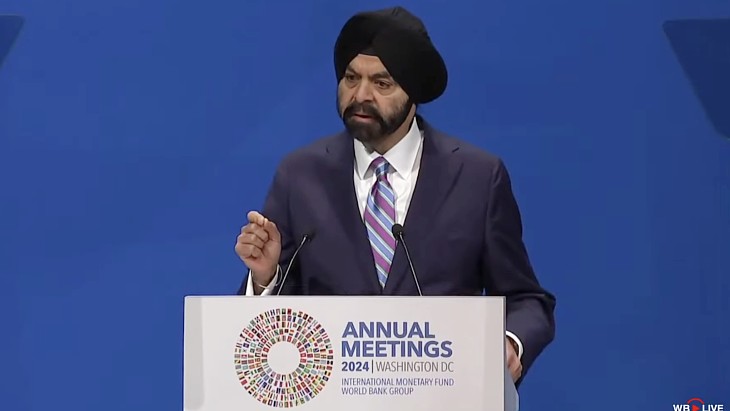
Author: Hubert FOY | Director & Senior Research Scientist | AFRICSIS For a long time, nuclear energy was a nonstarter in World Bank corridors. The 2013 formalization of its ban on nuclear funding, prompted by global anxieties after the Fukushima disaster, had become a fixture of development finance orthodoxy. Countries that might have entertained the […]
The course provided female technical experts, researchers, scientists, and government officials with a broader understanding of weapons of mass destruction, nonproliferation, arms control, disarmament, peaceful uses of nuclear energy, chemical, biological, radiological, and nuclear security, as well as the various institutions, tools, and mechanisms necessary to address current nonproliferation and security challenges.
Speaking to African heads of state and representatives from Russian, African, and international business and government agencies, Rosatom Director-General Alexey Likhachov yesterday emphasized the benefits of nuclear energy in job creation and regional economic development. At the Russia-Africa Summit in Sochi, Russia, Likhachov said global inequality in technological, industrial and socio-economic development was “acutely felt” […]
The Senegalese Ministry of Higher Education has entered into an agreement with the French National Institute for Nuclear Science and Technology – Institut National des Sciences et Techniques Nucléaires, INSTN – to cooperate in establishing a centre of excellence in nuclear science and technology in the West African country, writes wnn. The nuclear cooperation agreement […]
A senior academic specialising in cancer research has called for a communication strategy to end the public’s exaggerated perception that nuclear radiation is harmful to human health. Gerry Thomas, professor of molecular pathology at Imperial College London, spoke at the World Nuclear Association Symposium 2018 held in London last week. Thomas said the real “problem” […]
Sudan, a country of approximately 40 million people, is seeking to increase its installed electricity capacity to support socio-economic development, particularly in the industrial, agricultural and mining sectors. The government has projected that demand for electricity will more than double to around 8500 MWe by 2031.
“In my opinion, it will be difficult for the world to meet the twin challenges of securing sufficient energy and limiting the average global temperature increase to 2 degrees centigrade, in the coming decades without making more use of nuclear power,” he said. “IAEA projections show that nuclear power’s global potential up to 2050 remains […]