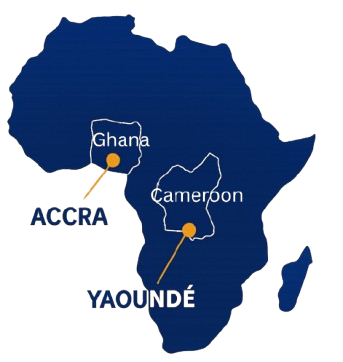
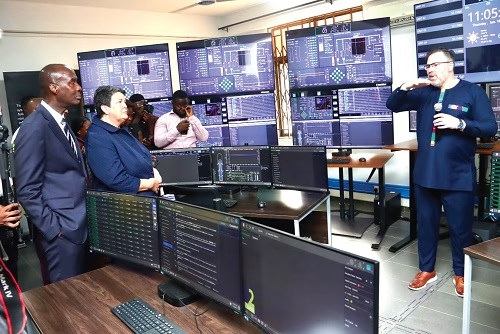
Nuclear power provides continuous, reliable electricity largely independent of weather or fuel supply, making it especially valuable for energy-deficient countries. However, expanding nuclear infrastructure demands robust governance, regulatory oversight, and security measures, with safety and nonproliferation risks central to programs in Egypt, Ghana, Kenya, and Nigeria.
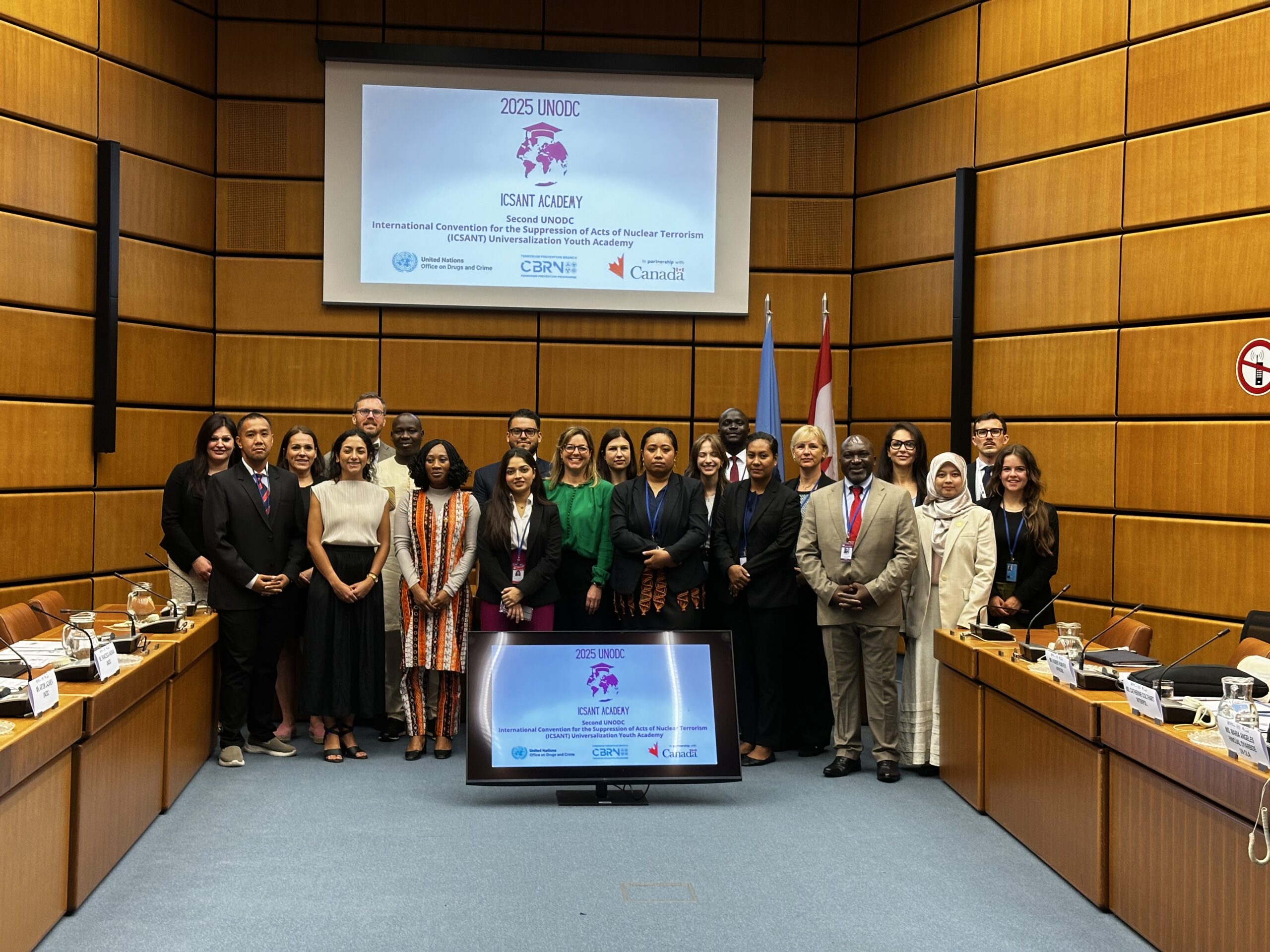
The United Nations continues to emphasize the importance of empowering youth and ensuring their meaningful participation in addressing global challenges. Youth empowerment involves engaging new generations in problem-solving and decision-making processes, including promoting adherence to the international legal framework to counter chemical, biological, radiological and nuclear (CBRN) terrorism. Guided by this vision, the CBRN Terrorism […]
Introduction Humanity’s wars have seen a slew of instances in which installations containing dangerous forces, such as dams and dykes, became the target of military operations, and such installations were particularly damaged during the twentieth-century wars. To thwart the advance of Japanese troops, Chinese authorities blew up dams on the Yellow River in 1938. Later, […]
The use of high-risk radioactive materials in medical, research, and commercial applications has increased by about 30 percent in the U.S. in the last 12 years, and the government should improve security, tracking, and accountability to reduce health and security risks — while also supporting the development of nonradioactive alternatives to replace them — says […]
NTI convened the 10th meeting of the Global Dialogue on Nuclear Security Priorities outside of Düssedorf in Velen, Germany on November 5-6, 2019. The meeting was attended by government officials from 15 countries, representatives from the International Atomic Energy Agency (IAEA), the United Nations, the European Commission, and the World Institute for Nuclear Security (WINS), […]
In late 2015, investigators discovered chilling surveillance video in the possession of a suspected terrorist alleged to have been involved in the November 2015 attacks in Paris. The Islamic State took credit for those attacks, and the video footage suggested it had been watching a high-ranking Belgian nuclear official who had access to secure areas […]
BEIS-sponsored Nuclear Security Culture Programme in partnership with the African Centre for Science and International Security (AFRICSIS) presents: Nuclear Security Workshop for Scientists, Technicians and Engineers Accra, Ghana 10-12 September 2019 The Nuclear Security Culture Consortium, sponsored by the UK Department for Business, Energy & Industrial Strategy (BEIS) is holding a workshop on nuclear […]
ANNOUNCEMENT The African Centre for Science and International Security (AFRICSIS) and the James Martin Center for Nonproliferation Studies (CNS), Middlebury Institute of International Studies at Monterey (MIIS), will offer an intensive course on “Nuclear Nonproliferation and Security for Women in STEM (Science, Technology, Engineering, and Mathematics)” for researchers, practitioners, and other specialists from the African […]