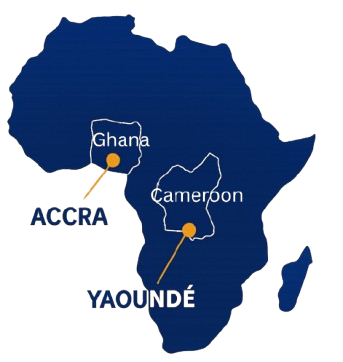
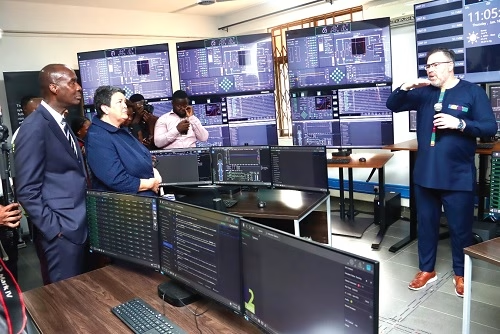
Nuclear power provides continuous, reliable electricity largely independent of weather or fuel supply, making it especially valuable for energy-deficient countries. However, expanding nuclear infrastructure demands robust governance, regulatory oversight, and security measures, with safety and nonproliferation risks central to programs in Egypt, Ghana, Kenya, and Nigeria.
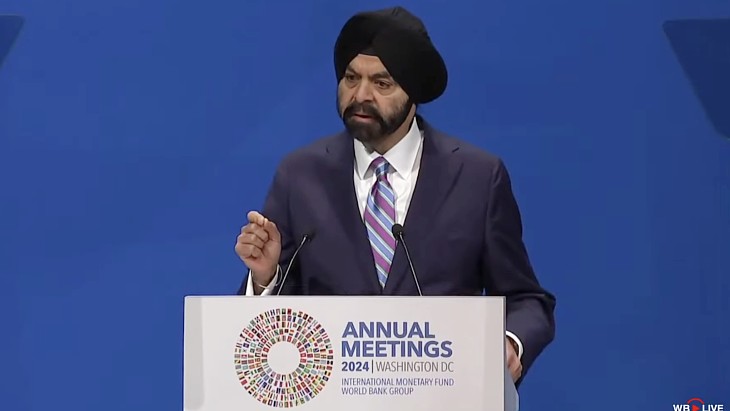
Author: Hubert FOY | Director & Senior Research Scientist | AFRICSIS For a long time, nuclear energy was a nonstarter in World Bank corridors. The 2013 formalization of its ban on nuclear funding, prompted by global anxieties after the Fukushima disaster, had become a fixture of development finance orthodoxy. Countries that might have entertained the […]
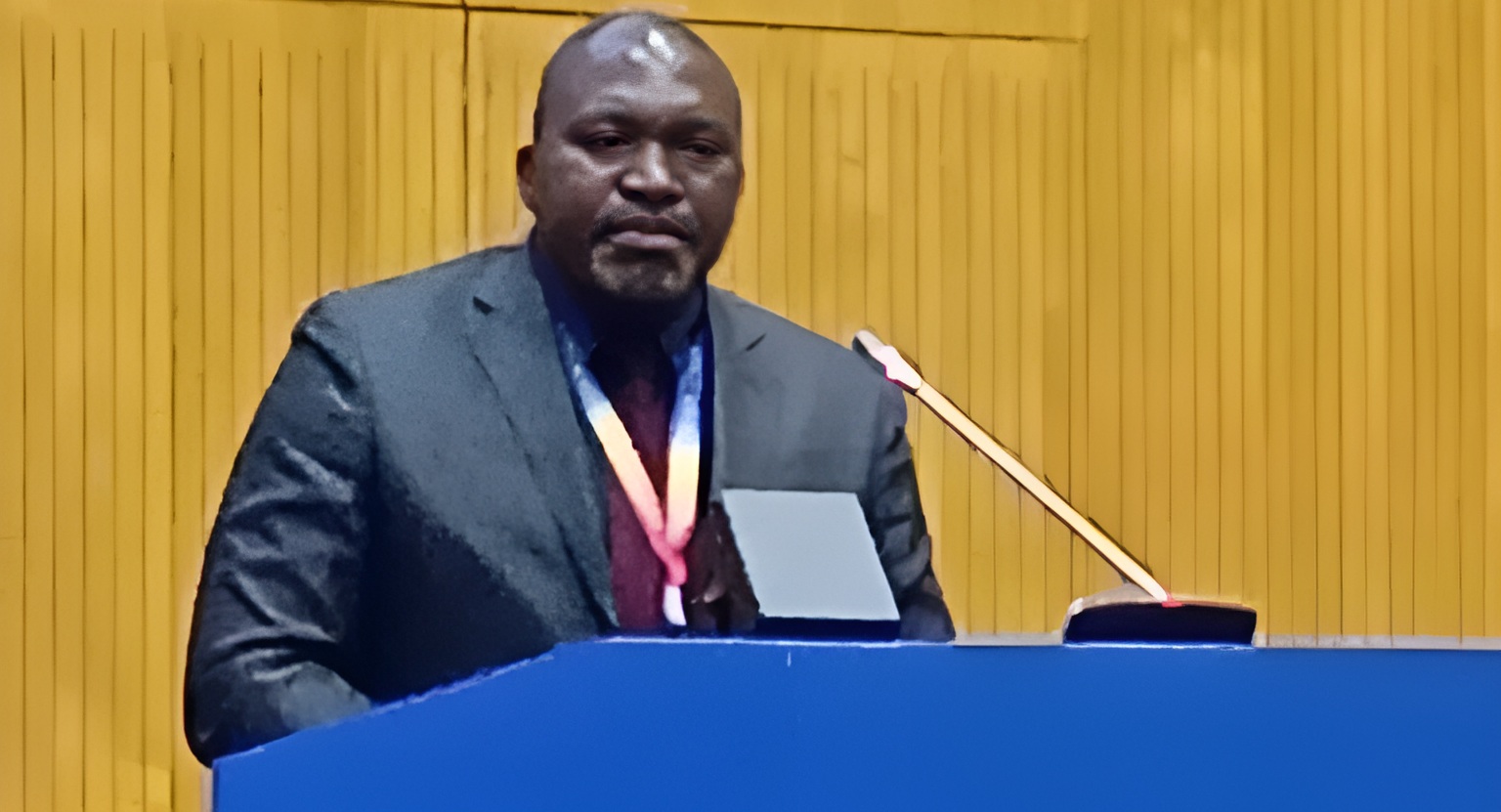
From 26–30 May 2025, the International Conference on Stakeholder Engagement for Nuclear Power Programmes is taking place at the IAEA Headquarters in Vienna, Austria. Representing the African Center for Science and International Security (AFRICSIS), Director and Senior Research Scientist Hubert Foy is contributing African perspectives to this high-level dialogue on inclusive and sustainable nuclear energy […]

When: 22 – 24 AprilWhere: Dawlitz Hotel, Rabat, MoroccoAuthors: Hubert Foy, David Hess, Pablo José Pérez Cañavate Key points What Happened The conference ran from 22 -24 April 2025. There were two private workshops held on 22 April for African participants that the author did not attend. These were hosted by GIFEN and Excel Services. […]

The IAEA signals approval for Ghana’s process to choose a site for a nuclear power station, but a feasible industry will be years away. Ghana’s dreams of generating nuclear energy have taken a step closer to becoming a reality after the International Atomic Energy Agency (IAEA) completed a mission to review the country’s process for […]

Hubert K. Foy discusses Ghana’s nuclear energy strategy, highlighting the IAEA’s endorsement of the site selection process, the next regulatory, financial, and infrastructure steps, and realistic integration timelines. He emphasizes the importance of scaling nuclear power to meet climate goals, noting limited global deployment and the need for stronger industry and government commitment to advance nuclear energy as a credible climate solution.
Introduction Humanity’s wars have seen a slew of instances in which installations containing dangerous forces, such as dams and dykes, became the target of military operations, and such installations were particularly damaged during the twentieth-century wars. To thwart the advance of Japanese troops, Chinese authorities blew up dams on the Yellow River in 1938. Later, […]
Ghana’s emerging nuclear power programme is the culmination of nearly 60 years of socioeconomic and political developments under successive governments since independence in 1957. Summary: Ghana has recently revived a decades-old aspiration to establish a nuclear power programme and use nuclear power to drive economic transformation and development. The country’s current power generation capacity cannot […]
The US Department of Energy has approved a cost-share award of more than USD1 billion for the construction of the first NuScale small modular reactor power plant in the USA. Meanwhile, the US International Development Finance Corporation has signed a Letter of Intent to support NuScale in the development of nuclear-generating capacity in South Africa.