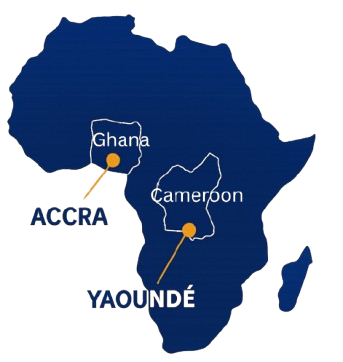
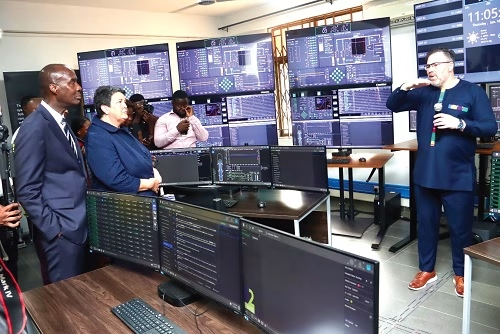
Nuclear power provides continuous, reliable electricity largely independent of weather or fuel supply, making it especially valuable for energy-deficient countries. However, expanding nuclear infrastructure demands robust governance, regulatory oversight, and security measures, with safety and nonproliferation risks central to programs in Egypt, Ghana, Kenya, and Nigeria.
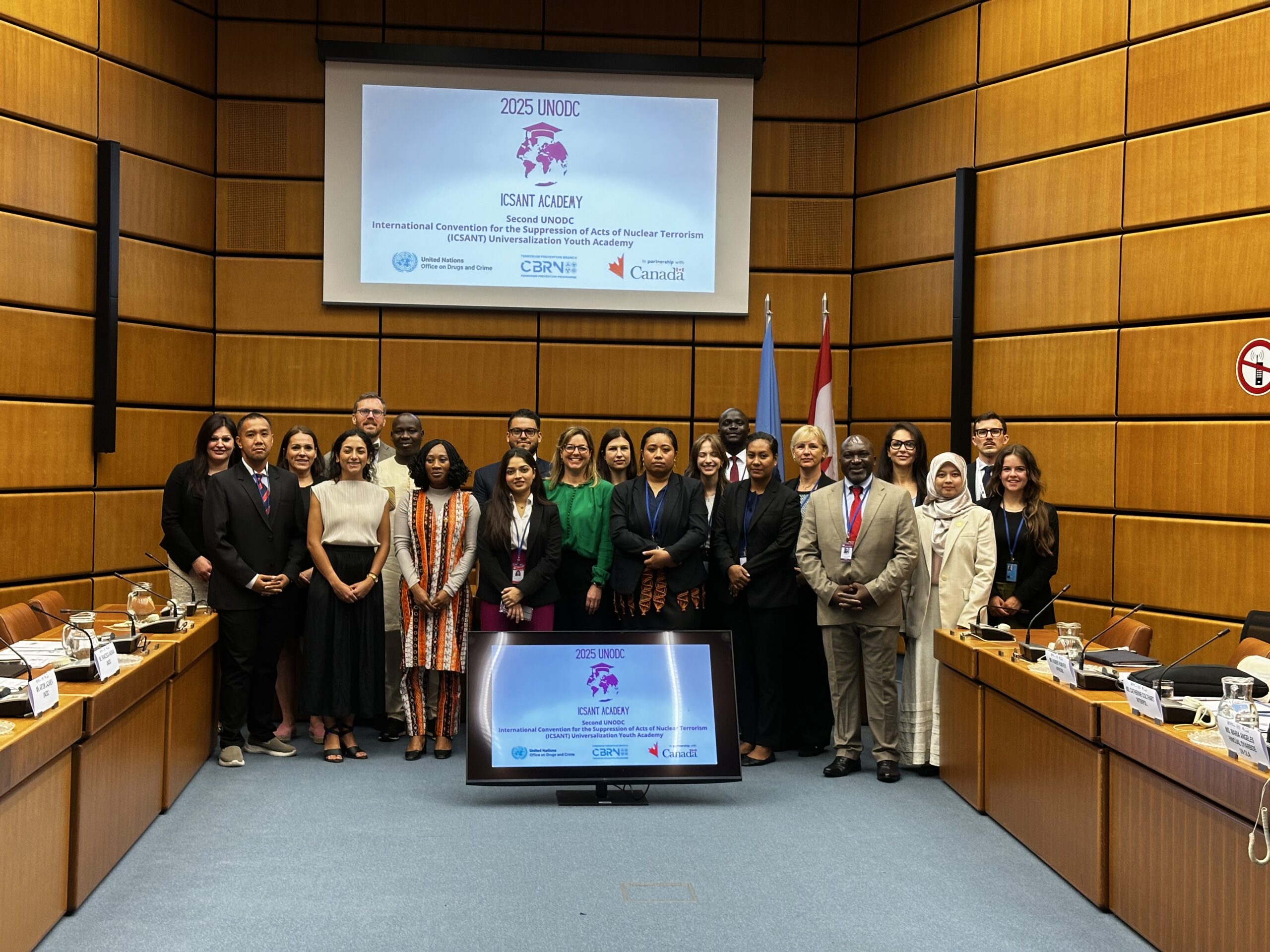
The United Nations continues to emphasize the importance of empowering youth and ensuring their meaningful participation in addressing global challenges. Youth empowerment involves engaging new generations in problem-solving and decision-making processes, including promoting adherence to the international legal framework to counter chemical, biological, radiological and nuclear (CBRN) terrorism. Guided by this vision, the CBRN Terrorism […]
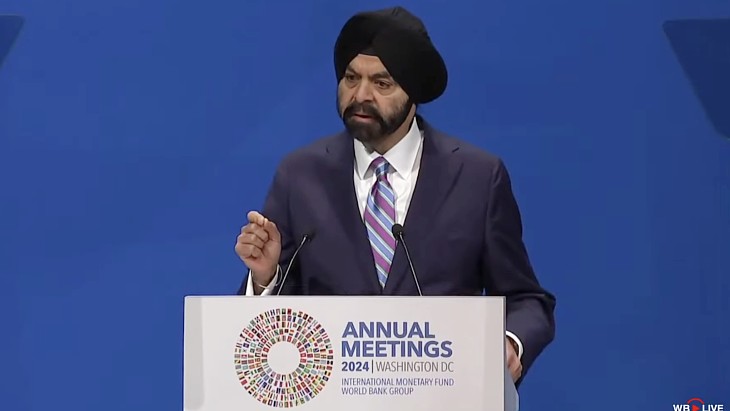
Author: Hubert FOY | Director & Senior Research Scientist | AFRICSIS For a long time, nuclear energy was a nonstarter in World Bank corridors. The 2013 formalization of its ban on nuclear funding, prompted by global anxieties after the Fukushima disaster, had become a fixture of development finance orthodoxy. Countries that might have entertained the […]
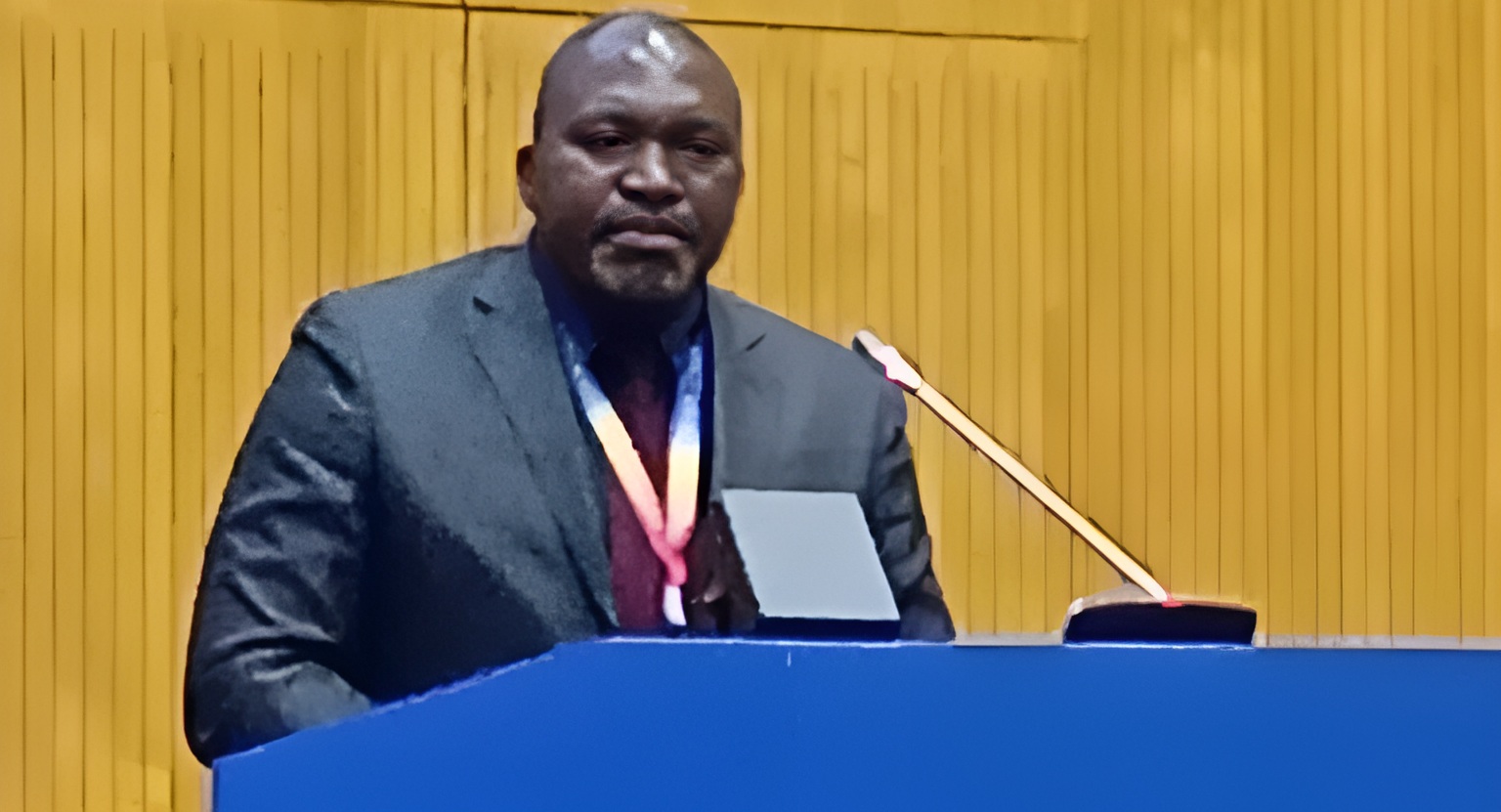
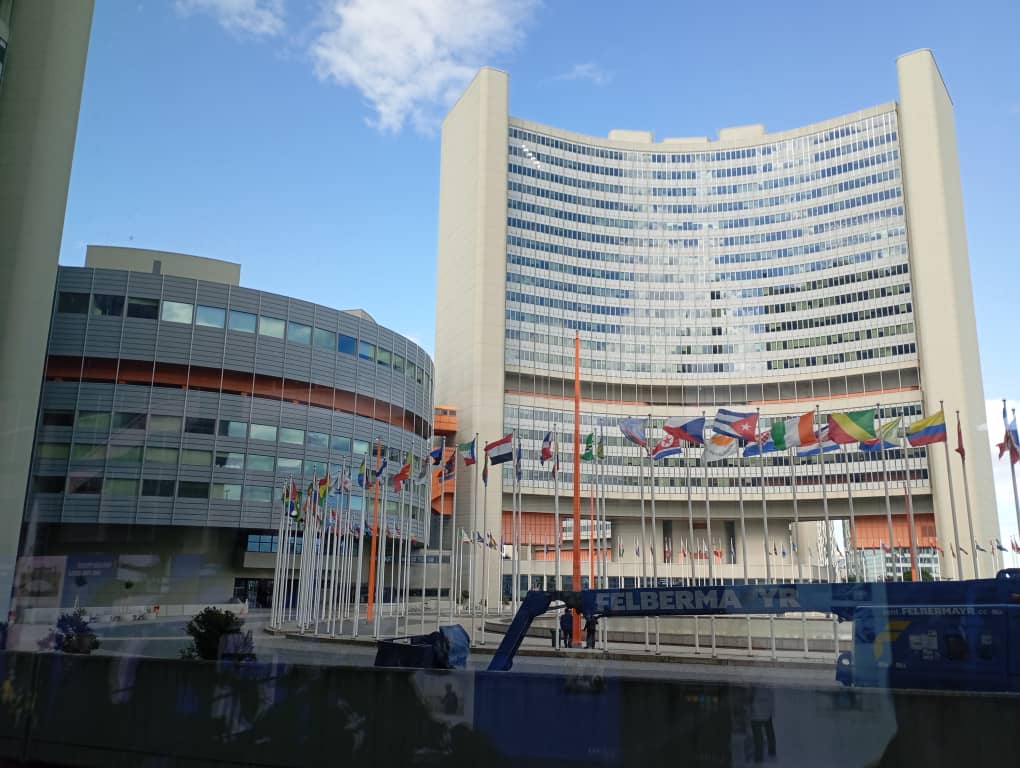
From 26–30 May 2025, the International Conference on Stakeholder Engagement for Nuclear Power Programmes is taking place at the IAEA Headquarters in Vienna, Austria. Representing the African Center for Science and International Security (AFRICSIS), Director and Senior Research Scientist Hubert Foy is contributing African perspectives to this high-level dialogue on inclusive and sustainable nuclear energy […]
In the heart of Accra, Ghana, a quiet revolution is underway. Inside a small town hall, community leaders, government officials, and nuclear experts gather—not to argue over nuclear energy, but to listen. These conversations are not scripted or ceremonial. They are real, messy, and necessary. For Ghana, which is preparing to launch its first nuclear […]
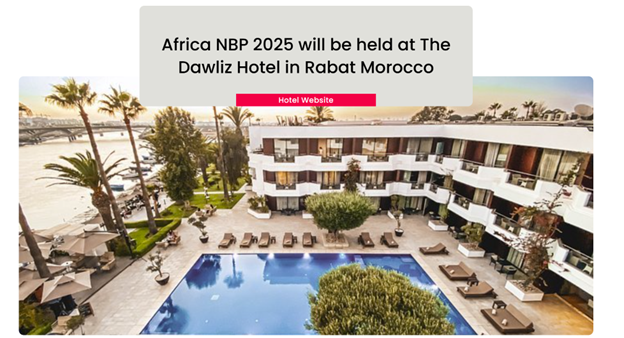
When: 22 – 24 AprilWhere: Dawlitz Hotel, Rabat, MoroccoAuthors: Hubert Foy, David Hess, Pablo José Pérez Cañavate Key points What Happened The conference ran from 22 -24 April 2025. There were two private workshops held on 22 April for African participants that the author did not attend. These were hosted by GIFEN and Excel Services. […]

The IAEA signals approval for Ghana’s process to choose a site for a nuclear power station, but a feasible industry will be years away. Ghana’s dreams of generating nuclear energy have taken a step closer to becoming a reality after the International Atomic Energy Agency (IAEA) completed a mission to review the country’s process for […]

Hubert K. Foy discusses Ghana’s nuclear energy strategy, highlighting the IAEA’s endorsement of the site selection process, the next regulatory, financial, and infrastructure steps, and realistic integration timelines. He emphasizes the importance of scaling nuclear power to meet climate goals, noting limited global deployment and the need for stronger industry and government commitment to advance nuclear energy as a credible climate solution.
1540 Introduction Page: UNSCR 1540 Resource Collection Compiled by Geraldine Azah NDEH Region Overview The sub-Saharan Africa region includes a diverse set of forty-nine states at varying levels of economic and political development. The region faces a plethora of non-state actor threats and is home to some of the world’s most porous and unregulated borders, […]