Author: Hubert Foy | 8 January 2026
I have been examining how nuclear power, and in particular Small Modular Reactors (SMRs), could contribute to energy security and nuclear risk management in Africa. This question is becoming increasingly relevant as several African states face growing electricity demand, aging energy infrastructure, and pressure to reduce carbon emissions, while also lacking the financial and institutional capacity required for large-scale nuclear deployment.
At present, South Africa remains the only country on the continent operating a commercial nuclear power plant. Its experience illustrates both the potential benefits of nuclear energy and the constraints that have limited its expansion. While coal continues to dominate electricity generation, concerns over grid reliability, emissions, and long-term fuel security suggest that alternatives capable of providing stable baseload power will remain under consideration.
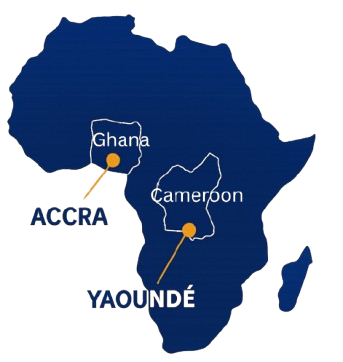
Nuclear power differs from other low-carbon sources in that it provides continuous output largely independent of weather conditions or fuel supply disruptions. For countries experiencing chronic energy shortages, this characteristic is particularly relevant. However, expanding nuclear infrastructure also introduces security and governance requirements that are more demanding than those associated with most other energy technologies. In July 2022, Egypt poured the first safety-related concrete for Unit 1 of the El Dabaa nuclear power plant, marking the start of four Russian-supplied VVER-1200 reactors; Units 2 and 3 followed. As countries such as Ghana, Kenya, and Nigeria explore nuclear power programs, the ability of national institutions to manage safety, security, and nonproliferation risks becomes a central consideration.
One option that has attracted increasing attention is the deployment of Small Modular Reactors. SMRs are generally designed to produce between 100 and 300 megawatts of electricity and are intended to be manufactured largely off-site and assembled in modular fashion. This design approach could reduce construction timelines and allow capacity to be added incrementally, rather than requiring the large upfront investment associated with conventional reactors.
From a security perspective, SMRs may offer several advantages. Smaller reactor units can be distributed across multiple sites, potentially reducing the consequences of a single failure or attack. Some designs incorporate passive safety features and sealed fuel systems, which could limit opportunities for unauthorized access to nuclear material. These characteristics suggest that, under appropriate regulatory oversight, SMRs could be integrated into national energy systems without proportionally increasing nuclear security risks.
Cost considerations remain a central concern. Nuclear projects are often criticized for their high capital expenditures; however, operating costs over the lifetime of a plant tend to be relatively stable. South Africa’s Koeberg Nuclear Power Station, for example, has produced electricity at costs well below those of many fossil fuel alternatives once construction costs are amortized. International analyses, including those by the International Energy Agency, indicate that extending the operational life of existing nuclear facilities is often less expensive than deploying equivalent new renewable capacity, particularly for industrial-scale demand.
For countries without existing nuclear infrastructure, financing models will play a decisive role. Arrangements such as Build, Own, Operate, and Transfer structures could allow external investors to assume early financial risk while enabling host countries to develop regulatory capacity and technical expertise over time. Whether such models are viable will depend on national governance frameworks and long-term political commitment.
Any expansion of nuclear power in Africa will require parallel investment in nuclear security. This includes strengthening regulatory authorities, implementing international legal instruments such as the Convention on the Physical Protection of Nuclear Material and its amendment, and developing human capacity through sustained training. Regional institutions, including AFCONE and organizations such as AFRICSIS, could play a coordinating role by facilitating information sharing and promoting best practices.
Taken together, available evidence suggests that SMRs could offer African countries a technically feasible pathway to enhance energy resilience while managing nuclear risks, provided that deployment is gradual and closely aligned with institutional capacity. While nuclear power alone will not resolve Africa’s energy challenges, it may, under the right conditions, form part of a diversified and secure energy mix. What remains uncertain is the pace at which regulatory, financial, and security frameworks can mature to support such an expansion.